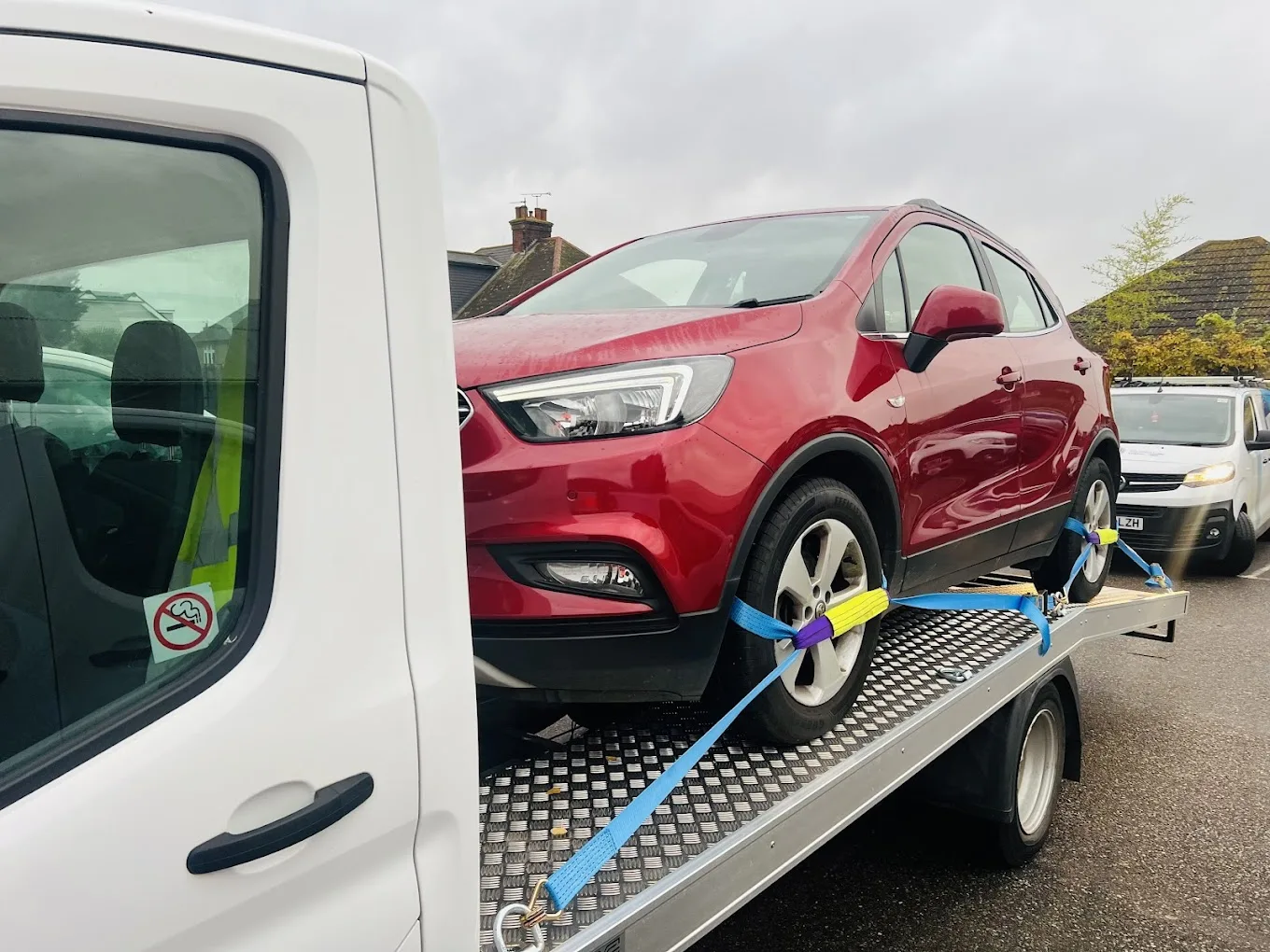
Breaking down is stressful, but knowing what to expect from a car recovery service can make all the difference. Whether you're stranded on a motorway, stuck in a car park, or dealing with a mechanical failure at home, understanding how recovery services work will help you get back on the road quickly and safely.
In this comprehensive guide, we answer the 10 most common questions about car recovery services in the UK. From costs and response times to what happens with electric vehicles, we cover everything you need to know before you need emergency assistance.
1. What is a Car Recovery Service and When Do I Need One?
A car recovery service (also called vehicle recovery, breakdown recovery, or roadside assistance) provides professional help when your vehicle cannot be driven safely. Recovery services transport your car to a garage, your home, or another destination of your choice.
Common Situations Requiring Recovery:
- Mechanical Failures: Engine problems, gearbox issues, or clutch failures that prevent safe driving
- Accident Damage: Collision damage making the vehicle undriveable
- Flat or Faulty Battery: When jump-starting doesn't work or isn't available
- Tire Issues: Multiple flat tires or damaged wheels
- Running Out of Fuel: Empty tank with no nearby petrol station
- Electrical Problems: Complete electrical system failure
- Overheating: Severe engine overheating requiring cooling before transport
Quick Tip
If you're unsure whether you need recovery or just roadside assistance, call a professional service. They can assess the situation over the phone and send the appropriate help.
2. How Much Does Car Recovery Cost in the UK?
Car recovery costs in the UK vary significantly based on several factors. Understanding the pricing structure helps you budget and avoid unexpected charges.
Typical Recovery Costs (2026):
- Basic Callout Fee: £40 - £80 (includes callout and short-distance towing, usually up to 10 miles)
- Distance Charges: £1.50 - £2.50 per mile after the first 10 miles
- Average Total Cost: £50 - £200 for most standard recoveries
- Evening/Weekend Surcharge: £85+ after 6pm and on weekends
- Bank Holiday Callouts: £90 - £110
Factors Affecting Recovery Costs:
- Distance Travelled: Longer distances significantly increase costs
- Time of Day: Night, weekend, and holiday callouts cost more
- Vehicle Size & Weight: Larger vehicles require specialist equipment
- Location: Urban areas typically have lower costs than remote rural locations
- Vehicle Type: EVs, commercial vehicles, and luxury cars may incur additional charges
Get Your Price — We'll WhatsApp It Within Minutes
Stop guessing! Enter your vehicle registration for instant, transparent pricing.
3. How Quickly Can a Recovery Service Reach Me?
Response times are crucial when you're stranded. Understanding typical arrival times helps manage expectations and plan accordingly.
Average Response Times Across the UK:
- Urban Areas (London, Manchester, Birmingham): 30-45 minutes
- National Breakdown Services (AA, RAC): 45-60 minutes average
- Local Independent Services: 15-45 minutes (typically faster in their primary service areas)
- Rural Areas: 60-90 minutes or longer
- Motorway Breakdowns: Priority response, often 30-50 minutes
- Peak Times: Delays possible during rush hours, bad weather, or holidays
Important
Always ask for an estimated arrival time when you call. Providers should give you a realistic timeframe based on your location and current demand. If you're in a dangerous location (motorway, busy road), mention this immediately - it may qualify you for priority response.
4. Are Car Recovery Services Available 24/7?
Yes, most professional car recovery services operate 24 hours a day, 7 days a week, including weekends and bank holidays. Breakdowns don't follow a schedule, and neither do quality recovery services.
What 24/7 Service Means:
- Anytime Availability: Call for help at 3am on a Sunday or midday on Christmas - someone will answer
- No Appointment Needed: Emergency services respond to your call immediately
- All Weather Conditions: Recovery operates in rain, snow, ice, and storms (though extreme weather may cause delays)
- Higher Night/Weekend Rates: Expect premium charges for evening (after 6pm), overnight, weekend, and holiday callouts
Sanu Recovery gives you an upfront price and matches you with a vetted local operator — genuine 24/7 emergency assistance across London and South East England. Operators in our network are on standby, ready to respond to your breakdown emergency. Call 078 3333 93 09 anytime, day or night.
5. What Types of Vehicles Can Recovery Services Handle?
Professional recovery services are equipped to handle a wide range of vehicles. However, it's important to inform the operator about your specific vehicle type when you call.
Vehicles Covered by Most Recovery Services:
- Cars: Manual, automatic, petrol, diesel - all standard vehicles
- Electric Vehicles (EVs): Specialist equipment required (see Question 10 for details)
- Vans & Commercial Vehicles: Up to 3.5 tonnes typically
- Motorbikes & Scooters: Specialist recovery for two-wheelers
- 4x4s & SUVs: All-wheel drive and larger vehicles
- Caravans & Campervans: Leisure vehicles and motorhomes
- Classic & Luxury Cars: Often require specialist handling
- Some HGVs: Larger commercial vehicles (specialist services required)
Pro Tip
Always mention your vehicle type, make, and model when calling for recovery. Special vehicles like EVs, lowered sports cars, or 4x4s may require specific equipment. Providing accurate information ensures the right recovery vehicle is dispatched the first time.
6. Will the Recovery Driver Try to Fix My Car on the Spot?
Yes, professional recovery technicians are trained to attempt roadside repairs whenever safe and possible. Getting you moving again immediately is always preferable to towing.
Common On-Site Fixes:
-
Jump-Starting Flat Batteries
The most common roadside fix. If your battery has enough charge to hold a jump-start, you may be back on the road in minutes.
-
Tire Changes
Replacing a flat tire with your spare (if you have one and it's in good condition).
-
Fuel Delivery
Providing emergency fuel if you've run out, getting you to the nearest petrol station.
-
Basic Diagnostics
Using diagnostic tools to identify simple mechanical or electrical issues that might be fixable on-site.
-
Lockout Assistance
Helping you gain access if you've locked your keys in the car (methods vary by vehicle type).
When Recovery Is Necessary:
If the vehicle cannot be safely repaired on-site, or if the problem requires workshop tools and parts, your vehicle will be recovered to your chosen destination. The technician will explain the issue and recommend next steps.
7. Can I Choose Where My Vehicle Is Recovered To?
Yes, you typically have full choice over where your vehicle is taken, though some services may have distance limits or additional charges for longer journeys.
Common Recovery Destinations:
- Your Home Address: Most convenient if you have a trusted local mechanic or plan to arrange repairs later
- Your Preferred Garage: Directly to a mechanic you trust for immediate repair
- Nearest Garage: Useful if you need urgent repairs and don't have a preferred mechanic
- Dealership: Important for vehicles under warranty to ensure warranty-approved repairs
- Specialist Workshop: For EVs, classic cars, or vehicles requiring specialist knowledge
Important Considerations:
- Distance Limits: Some services include recovery up to a certain mileage (often 10-20 miles) in the base price
- Additional Charges: Longer distances incur per-mile charges - confirm costs before agreeing
- Operating Hours: If recovering to a garage, ensure it will be open when you arrive or that they can secure the vehicle overnight
- Warranty Considerations: For newer vehicles, check if your warranty requires dealer repairs
8. Do I Need Breakdown Cover or Can I Pay Per Use?
Both options are available, and the best choice depends on your driving habits, vehicle age, and budget.
Pay-Per-Use Recovery:
- Cost: £50 - £200 per callout (varies by circumstances)
- Best For: Drivers with new, reliable vehicles who rarely break down
- Pros: No annual commitment, only pay when you use it
- Cons: Can be expensive if you need multiple callouts per year
Annual Breakdown Cover:
- Cost: £25 - £165 per year (varies by coverage level)
- Best For: High-mileage drivers, older vehicles, or anyone wanting peace of mind
- Pros: Unlimited callouts, additional benefits (home start, onward travel, European coverage)
- Cons: Annual cost whether you use it or not
Cost Comparison
Breakeven Analysis: If you break down once per year, annual cover usually pays for itself. Two or more callouts, and cover becomes significantly cheaper than pay-per-use.
9. What Should I Do While Waiting for Recovery?
Your safety is the priority while waiting for recovery to arrive. Follow these essential steps to stay safe and speed up the recovery process.
Immediate Safety Actions:
-
Get to a Safe Location
If possible, move your vehicle completely off the road. On motorways, pull onto the hard shoulder (or emergency refuge area on smart motorways). On regular roads, pull into a layby or side road.
-
Turn On Hazard Lights
Make your vehicle visible to other road users immediately by activating hazard warning lights.
-
Exit the Vehicle Safely
On motorways and busy roads, exit via the left (passenger) door away from traffic. On quiet roads, use whichever door is safest.
-
Move to Safety
Get away from the roadway. On motorways, get behind the barrier if possible. On other roads, stand on the pavement or verge well away from moving traffic.
-
Call for Recovery
Contact your recovery service with your exact location (junction numbers, road names, nearby landmarks, or GPS coordinates if available).
While You Wait:
- Stay Visible: Wear a hi-vis jacket if you have one
- Keep Your Phone Charged: The recovery service may need to contact you
- Don't Attempt Repairs: Roadside repairs are dangerous, especially on busy roads
- Never Stand Behind or In Front of Your Vehicle: If hit from behind, you could be seriously injured
- Stay Warm/Cool: In bad weather, balance safety with comfort - don't sit in a vehicle on a busy road just to stay warm
Motorway Safety
On motorways, NEVER walk down the hard shoulder, cross lanes, or attempt repairs. Get behind the barrier and stay there until recovery arrives. Use emergency phones if available - they automatically give your location to control centers.
10. Are Electric Vehicles Recovered Differently?
Yes, electric vehicles (EVs) require special handling during recovery. Not all recovery services are equipped or trained for EV recovery, so it's crucial to mention you have an electric vehicle when calling.
Key Differences for EV Recovery:
- Flatbed Recovery Required: Many EVs cannot be towed using traditional methods due to their drivetrain design. Flatbed trucks are often necessary.
- No Traditional "Towing": Dragging an EV with wheels on the ground can damage the electric motor and regenerative braking system
- Specialist Knowledge Needed: Technicians must understand high-voltage battery safety and proper lifting points
- Running Out of Charge: Unlike running out of petrol, you cannot refuel an EV on the roadside (in most cases). Recovery is the only option.
- Mobile Charging (Limited): Some services offer mobile EV charging, but this is not yet universal
- Higher Recovery Costs: Specialist equipment and training may result in higher callout fees
EV Owner Tip
Always mention you drive an electric vehicle when calling for recovery. Ask specifically if they have flatbed recovery available. Some national providers subcontract EV recovery to specialists, which can delay response times.
Conclusion: Be Prepared, Stay Safe
Understanding how car recovery services work in the UK empowers you to make informed decisions during stressful breakdown situations. From knowing typical costs and response times to understanding what to do while waiting, this knowledge can make all the difference when you need help.
Key Takeaways:
- Recovery costs typically range from £50-£200, varying by distance, time, and vehicle type
- Response times average 30-60 minutes in urban areas, longer in rural locations
- 24/7 services are available, though evening and weekend callouts cost more
- Professional services handle all vehicle types, but EVs require special equipment
- Roadside repairs are attempted when possible before recovering your vehicle
- You can choose your recovery destination (home, garage, dealership)
- Both annual breakdown cover and pay-per-use options are available
- Your safety is paramount - get away from traffic and wait in a safe location
Whether you're a daily commuter, occasional driver, or long-distance traveler, knowing what to expect from recovery services provides peace of mind. Keep emergency contact numbers saved in your phone, and don't hesitate to call for professional help when you need it.
Ready to Get Your Recovery Quote?
Join 100+ satisfied customers this month. Enter your registration for instant pricing.